Wednesday, 13 March 2019

Feelings and Emotions (Video)

Step-by-step work with the video.

1. Watch the video and write down all the adjectives connected with feelings and emotions


2. Now watch it again and match a verb to each adjective.

frown                        angry
shiver                        nervous
yawn                         happy
shout                         sad
bite nails                   embarrassed
smile                         cold
blush                         tired
3. Finally, watch the last section with the rhyme "I smile when I'm happy". Copy the rhyme out and underline all the verbs. State the tense of each verb in the rhyme. Can you explain the use of Present Simple and Present Continuous there?
I smile when I'm happy
I frown when I'm sad
I blush when I'm embarrassed
And I shout when I'm mad
Are you smiling?
Yes, I'm happy
Are you frowning?
Yes, i'm sad
Are you blushing?
I'm embarrassed
Are you shouting?
Yes, I'm mad.
We smile when we're happy
We frown when we're sad
We blush when we're embarrassed
And we shout when we're mad
4. Learn the rhyme from the video (starts at 2.42)

Wednesday, 30 January 2019

Tommy Thumb Song


Today our third-year students have conducted their first lessons in primary school. We had the chance to see how different children are in the first and the fourth forms. Six-year-olds are easily distracted and get tired very quickly so it's essential to plan the lesson bearing this fact in mind. Using nursery rhymes with movements at the English lesson is a great idea - kids are always eager to sing, move and dance, 
"Tommy Thumb Rhyme helps to learn some parts of body (hands, fingers, thumbs) and questions "Where are you?", "How do you do?" (can be changed into "How are you?" if needed). Here's a classical version:


There's also a version with a chorus which is good for learning some verbs.


Tommy Thumb

(“Hands in the air and let's call Tommy Thumb”)

Tommy Thumb, Tommy Thumb,
Where are you?
Here I am, here I am,
How do you do?


Two hands, eight fingers
And two thumbs
For writing, for painting
And doing my sums.

Tuesday, 15 January 2019

Про правила читання англійською мовою для майбутніх вчителів

Навчання читання англійською мовою досить складний процес, що зумовлено труднощами орфографічної системи англійської мови - один звук може мати декілька позначень на письмі. І хоча більшість правил має безліч виключень, я рекомендую вивчити правило 4 типів складів для успішної роботи з молодшими школярами. 

Цікаво, що британська методика виділяє не чотири, а шість типів складів. Звернемо увагу на a vowel team syllable (a double vowel syllable). Це склад, що містить диграф (сполучення двох літер) з букв на позначення голосних (дивись Vowel Digraph Examples).

Remember: a digraph is two letters that team up to build one sound. They can be vowel or consonant ones. Watch the following video and practise their pronunciation.


Double Phonics Chant

Здійсніть пошук на Youtube та розмістіть посилання на відео з диграфами у Твіттері. 

Monday, 7 January 2019

Твори, рекомендовані для читання слухачам курсу "Англійська література для дітей"

Прозові твори
1. Англійські народні казки: "Adventures of Jack the Giant-Killer", "Molly Whuppie", "Jack and the Beanstalk", "The Gingerbread Man", "Johnny-cake", "Catskin", "Cap of Rushes"
2. Даніель Дефо "Життя та дивовижні пригоди Робінзона Крузо".
3. Джонатан Свіфт "Мандри Гуллівера".
4. Вальтер Скотт "Айвенго".
5. Чарльз Діккенс "Різдвяна пісня в прозі".
6. Майн Рід "Вершник без голови".
7. Роберт Люїс Стівенсон "Острів скарбів".
8. Люїс Керролл "Аліса в Дивокраї".
9. Оскар Уайлд Збірки казок "Щасливий принц", "Гранатовий будиночок".
10. Редьярд Кіплінг "Казки просто так".
11. Беатріс Поттер "Казка про Кролика Пітера", "Казка про двох поганих мишей".
12. Джеймс Баррі "Пітер Пен".
13. Кеннетт Грем "Вітер у вербах".
14. Алан Мілн "Вінні-Пух".
15. Г'ю Лофтинг "Історія Доктора Дуліттла".
16. Джон Р.Р. Толкін "Гоббіт".
17. Памела Тревіс "Мері Поппінс".
18. Томас Мелорі "Смерть Артура".
19. Клайв Стейплз Льюїз "Хроніки Нарнії".
20. Діана Вінн Джонс "Мандрівний замок Хаула".
21. Джоан Кейтлін Роулінг "Гаррі Поттер та філософський камінь".

Тексти творів в оригіналі можна завантажити за наступним посиланням.

Thursday, 20 December 2018

Chrismas Carol celebrates its 175 anniversary

Сьогодні 175 років від виходу з друку “Різдвяної пісні” Чарльза Діккенса! Книга мала небувалий успіх - видана у 1843 році тиражем у 6 000 примірників, вона була повністю розпродана до Різдва.

Що треба знати про "Різдвяну пісню в прозі"?

1. Це класичний твір не лише англійської, але й світової літератури, перша в світі різдвяна історія.
2. Вважається, що цим твором Чарльз Діккенс відродив Різдво в Англії 19 сторіччя, нагадавши людям про справжнє значення свята, коли саме час згадати про милосердя та любов до ближніх.
3. За жанром "Різдвяна пісня в прозі" - це оповідання про привидів (a ghost story), які традиційно розповідали в канун Різдва.
4. Це новелла, а отже цікавість та захопливість гарантовано.
5. За формою твір нагадує різдвяну пісню (a christmas carol) - складається з 5 куплетів (staves).


Оберіть для себе оптимальний варіант знайомства з твором:

1. "Різдвяна пісня в прозі" у перекладі Івана Андрусяка.

2. Адаптована версія твору англійською мовою (з завданнями до кожної глави).
3. Оригінальний текст твору.

4. Мультфільм


5. Екранізація твору


Також рекомендую до перегляду біографічний фільм "Людина, яка вигадала Різдво" ("The Man Who Invented Christmas"), який оповідає історію створення "Різдвяної пісні". Для кращого розуміння фільму бажано познайомитись з біографією письменника.

Sunday, 25 November 2018

Watching Suggestions - Christmas Vibes

As some of you got interested in my You Tube guide I continue this series of posts with my getting-ready-for-Christmas selection of videos.

Can you feel the Christmas spirit in the air? Maybe not, as we start decorating our homes and offices later in the year. In English-speaking countries Christmas is celebrated on 25 December and Christmas vibes are everywhere, even on You Tube.

I like the tradition of counting down the days to Christmas with an advent calendar and celebrating the season in anticipation of Christmas with a treat everyday!  Since the date of the first Sunday of Advent varies, falling between November 27 and December 3 inclusive, the Advent calendar usually begins on December 1. 

It's a pity we haven't got it in Ukraine but you can get the idea what an advent calendar is by watching reviews. Advent calendars range in theme. There are plenty of them  - chocolate and non-chocolate, and they are not just for children (you can read about all the variety here). There are usually 24 windows - one for each day of December leading up to and including Christmas Eve (December 24). The calendar windows open to reveal an image, a poem, a portion of a story, or a small gift, such as a toy or a sweet.

If you seach You Tube, you'll find lots of Lego advent calendars reviews, as well as milk chocolate calendars opened by kids. And it's not an easy task to understand what these kids are saying :) So the first video is the dialogue between the mother and the daughter. The mother's speech is quite clear and she often repeats what the little girl says. You'll be able to revise (or even learn) the names of stationary as they are reviewing the stationary advent calendar.

Stationary Advent Calendar Opening

The next video which I've chosen will give you an idea what a themed calendar is. Watch and make a list of useful expressions how to react to a present. You will also learn the names for various socks models as well as revise Star Wars and Disney characters.

Disney Star Wars 12 Days Of Socks Advent Countdown Calendar Unboxing Review


The third advent calendar review is actually Emma Hill opening 3 beauty calendars. Enjoy her very British manners and sense of humour. How many names of beauty products can you hear while watching? Challenge yourself and write them all down.


Emma Hill reviewing 3 beauty calendars


Of course, not everybody in Britain and the USA buys an advent calendar. Many people make them themselves. Here is a very clear DIY (Do It Yourself) tutorial, it may even inspire you to create your own calendar.
DIY Christmas Advent Calendar


There are two things about the next video I especially like - it's about upcycled advent calendar (which means it's made of all kinds of potential waste - so eco-friendly!) and the girl is speaking with an accent - listen to how she says the words cut, cup, bucket, first. If you are interested in British accents, please, let me know in the comments.


Those who read this post till the end get a treat - a video with Benedict Cumberbatch who acts out the reactions to bad Christmas presents. They say the British don't like complaining, they usually put up a show that everything is fine, even if it's not.


Benedict Cumberbatch Teaches How to React to Bad Xmas Gifts


So that's all for today. Let me know in the comments which video you like best and why. In case you missed my previous Christmas posts, read them here: OK English: Christmas

Tuesday, 20 November 2018

Types of Questions - Типи питань в англійській мові

Making up questions in English is a hard task for the majority of Ukrainian or Russian-speaking learners. I have already explained the reasons of it in the post Why is it difficult to learn English grammar? Remember, in an English sentence everything must be in the right place! The following instructions will hopefully help you to avoid mistakes in questions.


Поділимо існуючі типи запитань на 2 категорії:

1. Запитання з інверсією (тобто непрямим порядком слів). В таких запитаннях обов'язково ставити допоміжне дієслово перед підметом. До них належать:

- general - загальні 

допоміжне дієслово + підмет + основне дієслово у потрібній формі + ... ?

Does Canada separate Alaska from the major territory of the USA?

- special - спеціальні (окрім питань до підмета)

питальне слово + допоміжне дієслово + підмет + основне дієслово у потрібній формі ... ?

How do the states differ?

- alternative - альтернативні

допоміжне дієслово + підмет + основне дієслово у потрібній формі + ... or ... ?

Does Washington, D.C. stand on the Potomac River or on the river Thames?

Форма основного дієслова залежить від часу, в якому вжито присудок! Згадай, які часи повинні мати 1 форму, які - 3 форму, а які - форму з -ing у питальному реченні.

2. Запитання з прямим порядком слів (тобто підмет + присудок + другорядні члени речення). До таких належать:

- special questions to the subject - спеціальні запитання до підмета

What (Who) + присудок (допоміжного дієслова НЕМАЄ)

Who purchased the land from the private owners?

- disjunctive (with tags) - розділові запитання. Існує 2 варіанти:

стверджувальне речення, допоміжне дієслово+not + займенник, що відповідає підмету

George Washington purchased the land from the private owners, didn't he?

або

заперечне речення, допоміжне дієслово + займенник, що відповідає підмету

The President doesn't make laws, does he?

Алгоритм складання запитань до речення:

1. Знайди присудок у стверджувальному реченні.
2. Визнач граматичний час присудка.
3. Визнач допоміжне дієслово. Якщо важко, користуйся алгоритмом:

Чи є у реченні дієслово am, are, is, was, were, will?

Так - Сміливо став їх на місце перед підметом
Ні - Чи є в реченні have, has, had? 

Ні - допоміжним буде або do/does (Present Simple), або did (Past Simple). 
Так - Чи є у реченні 3 форма основного дієслова?

Так - використовуй have, has, had у якості допоміжного дієслова.
Ні - допоміжним буде або do/does (Present Simple), або did (Past Simple). 

4. Склади питання першої категорії за пропонованими вище схемами. Слідкуй за порядком слів, в англійській мові. Памятай, що форма основного дієслова залежить від часу, в якому вжито присудок! 
5. Склади питання другої категорії за пропонованими вище схемами. 

Example: The capital was named after the first president. 
Was the capital  named after the first president?
Who was the capital named after? 
Was the capital named after the first or the second president? 
What was named after the first president? 
The capital was named after the first president, wasn't it?

Time to practise!

Make up 3 questions of different types (general, special, alternative) to each sentence.

1. Colin has borrowed me this book for a while.
2. They will take two exams next term.
3. My neighbours study maths at the university.
4. Oksana is singing in the assembly hall.

Follow the algorythm:
1. Виділи підмет, присудок, допоміжне дієслово.
2. Якщо у реченні немає допоміжного дієслова - визнач час основного дієслова та згадай його допоміжне - Present Simple (do, does), Past Simple (did).
3. Далі постав кожен компонент на своє місце:

(Питальне слово) + допоміжне  дієслово + підмет + основне дієслово (його форма залежить від часу) + (додаток + обставина)
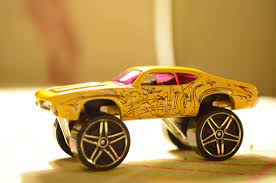
My Favourite Toy - Students' Stories

  Dmytro Kutniy When I was little, my favorite toy was a small yellow car. I got it for my fifth birthday from my parents. The car was small...